Finding the Right Chess Club for Your Level
Choosing a chess club isn’t one-size-fits-all. We’ve covered what to look for when joining — from casual meetups to serious tournament groups. This guide helps you ask the right questions before committing.
Why Club Selection Actually Matters
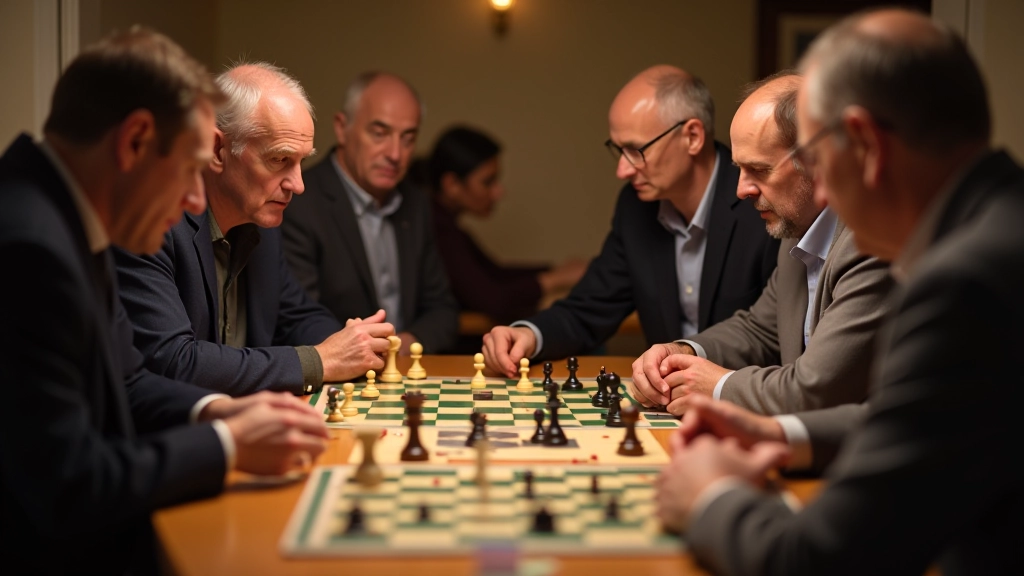
Not all chess clubs are created equal. You might find yourself in a room where everyone’s playing speed chess at blinding pace, or you could be stuck in a group where games drag on for three hours. The wrong fit wastes your time and kills your enthusiasm.
What you’re looking for depends entirely on where you are in your chess journey. A beginner needs patience and teaching. An intermediate player wants competitive matches. Someone at tournament level needs serious preparation partners. We’re going to walk through exactly what to check before you sign up.
Quick Reality Check
You don’t need to find the “perfect” club — you need one that matches where you are right now. Most active clubs in Ireland have several time slots and groups at different levels. You’ll likely find something that works.
Know Your Own Level First
Before you even contact a club, be honest about where you stand. Can you explain basic opening principles? Do you regularly beat friends? Have you studied tactics? This self-awareness saves everyone time.
Most clubs use ELO ratings or casual classifications like “beginner,” “intermediate,” and “advanced.” Here’s what these typically mean in practice. Beginners are learning rules, basic tactics, and maybe one opening. Intermediate players know multiple openings, can spot tactical patterns, and play with strategy. Advanced players study endgames seriously, analyze their losses, and play competitively.
- Honest self-assessment prevents awkward mismatches
- Most clubs welcome all levels — but separate groups exist for a reason
- You’ll improve faster playing slightly above your level, not way above it
The Questions You Should Actually Ask
What’s the Member Mix Like?
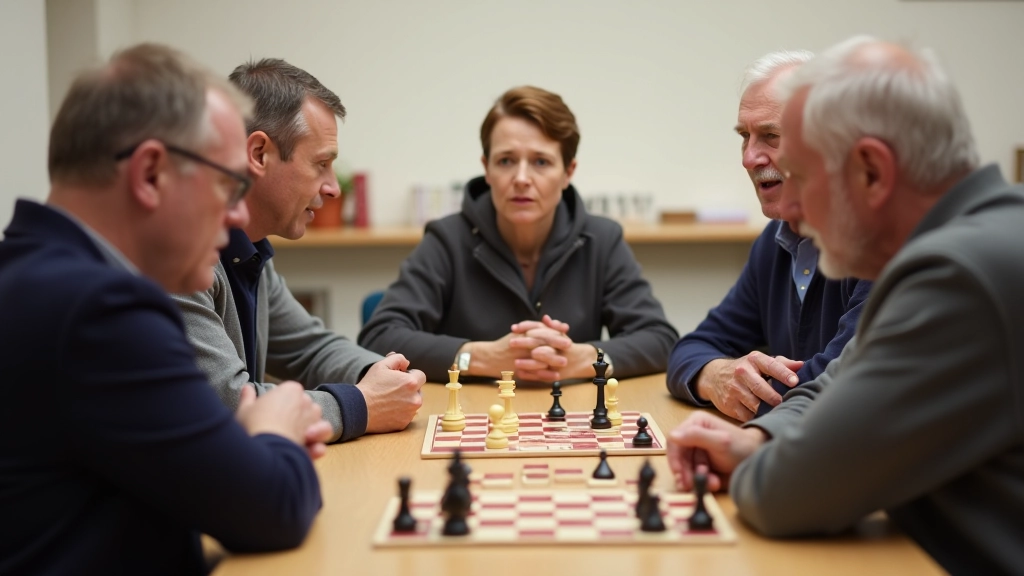
Are people there to learn, compete, or just have fun? A good club will tell you honestly. Some groups are 80% social — people chat between moves. Others are dead serious. Neither is wrong, but you need to know which you’re joining.
How Long Are Sessions?
Casual clubs might play 15-minute rapid games. Tournament-focused groups do 90-minute classical games. Some clubs do both. If you’ve only got an hour free, don’t join the group playing 2-hour matches.
When Do They Meet?
Tuesday evening? Saturday afternoon? Most clubs have multiple slots. Don’t assume they only meet once a week. Ask if there are different groups at different times — you might find a better fit in a different time slot.
What’s Actually Involved?
Some clubs are free. Some charge membership. Ask what’s included — board rental? Coaching? Tournament entry? Get the full picture before committing. No hidden fees should surprise you.
Can You Try a Session First?
Most clubs let you visit for free before deciding. Use this. One session tells you more than any description. You’ll know immediately if the pace, people, and atmosphere feel right.
Is There Teaching?
If you’re starting out, look for clubs that offer coaching or have experienced players willing to analyze games afterward. This dramatically speeds up improvement. Ask specifically about this — don’t assume.
Three Common Club Styles
Understanding what type of club you’re joining helps set realistic expectations. Most fall into one of these categories, though many blend elements from all three.
Social Chess Clubs
These groups prioritize community over competition. Games are casual. People chat. Someone might pop out for a coffee mid-game. There’s laughter. You’ll find all skill levels mixed together, often with stronger players helping beginners.
Best for: Learning in a relaxed environment, making friends, playing for fun rather than results.
Competitive Clubs
People here track ratings, analyze games seriously, and work on improvement. Sessions are structured. Everyone plays their own level. Games are quiet and focused. You’ll see people with notebooks analyzing positions afterward.
Best for: Serious improvement, competitive play, working toward tournaments, or if you’re already intermediate-level.
Tournament-Focused Clubs
These clubs exist primarily to prepare players for competitions. They run their own tournaments, coach players specifically for tournament conditions, and analyze tournament games. Sessions are intense and structured. Most members are rated and actively competing.
Best for: Advancing to tournament play, serious training, working with experienced coaches.
The Practical Reality of Club Hunting
Here’s what actually happens when you contact a club. You’ll likely email or message someone. They’ll probably respond within a few days. They’ll tell you when the next session is and ask you to show up. You’ll arrive, maybe feel nervous, and then you’ll sit down and play.
That first session is your real test. Don’t worry about impressing anyone or playing perfectly. You’re there to see if this club fits. Watch how people interact. Notice the pace. See if someone explains the rules of the club’s internal tournaments. Feel whether you’d actually want to come back.
And here’s the thing most people don’t realize — if the first club isn’t right, try another. Dublin alone has dozens of chess clubs. Cork, Belfast, Galway — they all have active scenes. You don’t have to settle for a club that doesn’t feel good. The best club is the one you’ll actually keep attending.

Your Club Selection Checklist
Before you commit to a club, tick off these points:
- You’ve visited at least once (or watched a session online)
- The skill level matches yours or is just above
- Meeting times actually work with your schedule
- You understand what you’re paying (if anything) and what’s included
- The atmosphere — social, competitive, or tournament — appeals to you
- You’ve talked to at least one current member about their experience
- You actually want to go back after the first session
The Bottom Line
Finding the right chess club is really just about honest communication and showing up. Ask the questions we’ve covered. Visit a session. See how you feel. If it’s not right, try another club. There’s no shortage of options in Ireland, and the chess community is generally welcoming to newcomers.
You don’t need the “best” club — you need the one that keeps you coming back. That’s the club where you’ll actually improve, make friends, and enjoy the game. And that’s always worth the small effort of asking a few questions first.
Disclaimer
This article is informational and intended to guide your decision-making when selecting a chess club. Club quality, offerings, and atmospheres vary widely based on location and leadership. We recommend visiting clubs in person and speaking directly with members and organizers to ensure the club matches your needs and expectations. Your experience will depend on many factors beyond our control, including club management, member participation, and individual coaching quality.
Related Articles