
Finding the Right Chess Club for Your Level
What to look for when joining a chess club — from casual meetups to tournament-focused groups that match your experience.
Read MoreTournament play is different from casual games. This covers the actual rules, timing, and what’s expected so you’re not caught off guard at your first competitive event.
You’ve played Scrabble at home plenty of times. You know how the game works. But stepping into a tournament environment changes everything — and that’s actually a good thing. The rules exist to make competition fair for everyone.
Here’s the thing: tournaments aren’t about being cutthroat or intimidating. They’re structured so players at all levels can compete meaningfully. Understanding what’s expected before you arrive means you’ll feel confident, not nervous. You’ll fit right in with the community.
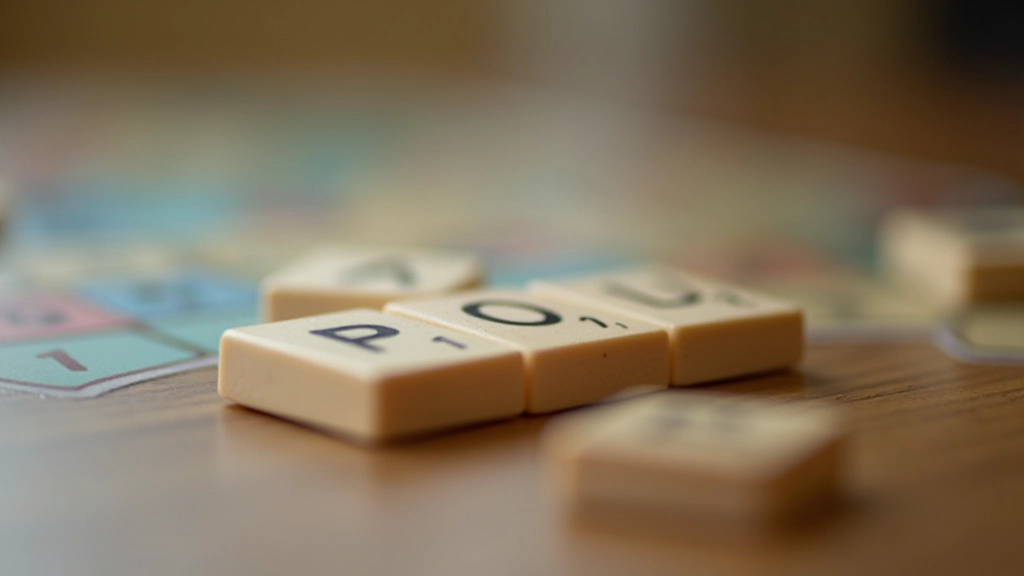
Most clubs follow SOWPODS or TWL word lists. Check with your tournament organizer which one applies.
Every word you play must be valid in the agreed dictionary. If your opponent challenges a word, you’ll have a moment to confirm it’s in the official list. If it’s not — you take back your tiles and lose your turn. No drama, just how it works.
You can’t play proper nouns, abbreviations, or hyphenated words. That’s consistent across all tournaments. Some tournaments allow challenges within 5 minutes of a word being played — others don’t allow them at all. Always ask at the start.
Once you’ve placed tiles on the board and announced your score, you can’t take them back. It’s final. That’s why you’ll see experienced players use tile racks to test placements before committing. They’re being smart, not slow.
Your word must connect to existing words on the board (except the first move). All words created by your move must be valid — not just your main word. So if you accidentally create an invalid word off your main play, the whole move fails.
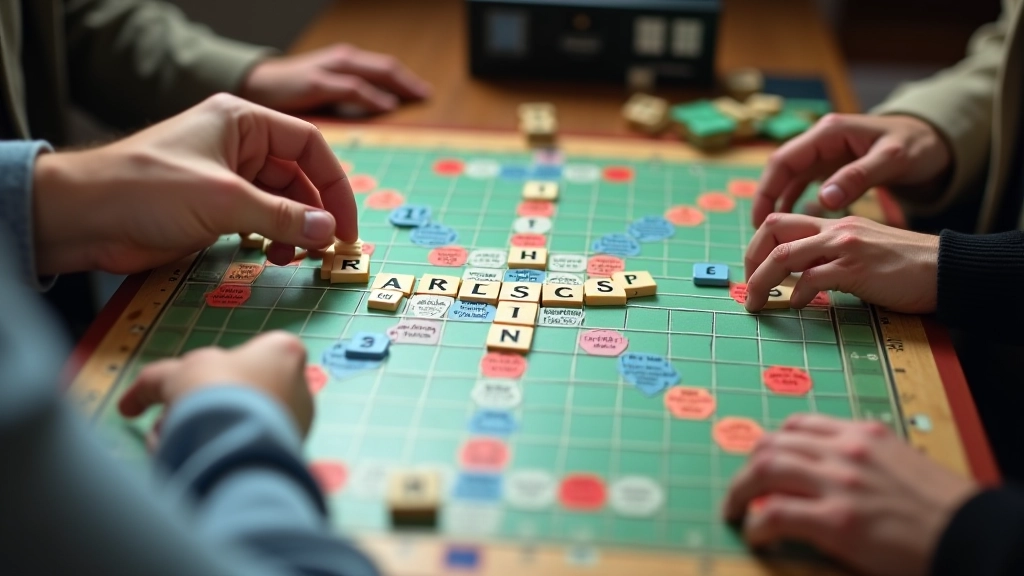
You can exchange some or all of your tiles instead of playing a word. But it counts as your turn — you get no points that round. Most players do this when they’re stuck with bad letters or want to set up a bigger play next turn.
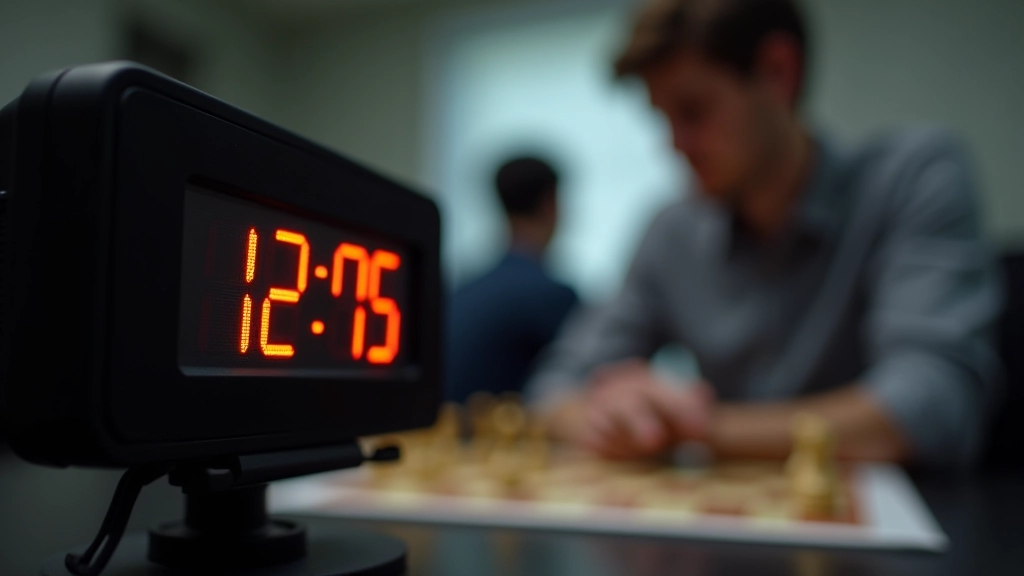
Most tournaments give you 25 minutes per player per game. That means if there are two of you, you’ve each got 25 minutes total to make all your moves. Sounds like a lot until you’re actually playing.
The clock gets set when you start. Your opponent hits the clock when they’re done with their turn. You hit it when you’re done with yours. If your time runs out, you can still play — but you lose points for every move you make after time expires. Most people try to avoid that.
You’ll notice experienced players don’t agonize over every move. They’ve practiced enough to play confidently and quickly. It’s not about rushing — it’s about knowing what you’re doing. That comes with experience.
The first word must cover the center star square. That’s standard everywhere. After that, new words build off existing ones on the board. Simple, but worth remembering.
Rules on paper are one thing. The unspoken code is another.
Tournaments can have multiple games happening. Keep conversation with your opponent to a minimum during play. Definitely don’t comment on other games or distract players around you. Everyone’s concentrating.
Your opponent’s tiles, their tile rack, the board between moves — it’s all off-limits. Even adjusting tiles that are already played isn’t done. It might look like you’re interfering (even if you’re not). Just don’t.
Say your score out loud before hitting the clock. “That’s 28 points.” Your opponent should acknowledge it or challenge if they think you miscalculated. This prevents arguments after the fact.
You won’t win every game. Nobody does. Shake your opponent’s hand, congratulate them if they played well, and move on to the next game. That’s it. No excuses about luck or bad tiles — everyone deals with that.
If you’re waiting for your next game, don’t stand around watching other games and definitely don’t offer advice. It’s considered poor form. Go grab coffee, check the pairings, or talk with other players — just not about active games.
Every tournament has a director or arbiter who makes final calls on disputes. You can ask questions, but once they’ve decided — that’s the decision. You’re not negotiating. Trust the process.
“Tournament Scrabble isn’t about being cutthroat. It’s about respecting the game and respecting your opponent. Most players you’ll meet are genuinely friendly. The rules just keep things fair so everyone’s playing by the same standards.”
— Margaret, Dublin Scrabble Club
You don’t need special equipment. Tournaments provide the board, tiles, and clock. Bring yourself, your game knowledge, and your willingness to follow the rules. That’s genuinely all you need.
Before you arrive, ask the organizer three things: Which word list? How much time per game? Are challenges allowed? These details vary between clubs. Some are stricter than others. Knowing in advance means no surprises.
If you’re nervous, arrive early. Talk to other players. Watch a game. You’ll see it’s not intimidating at all — it’s just Scrabble with structure. Everyone’s there because they love the game. That shared passion makes for good community.
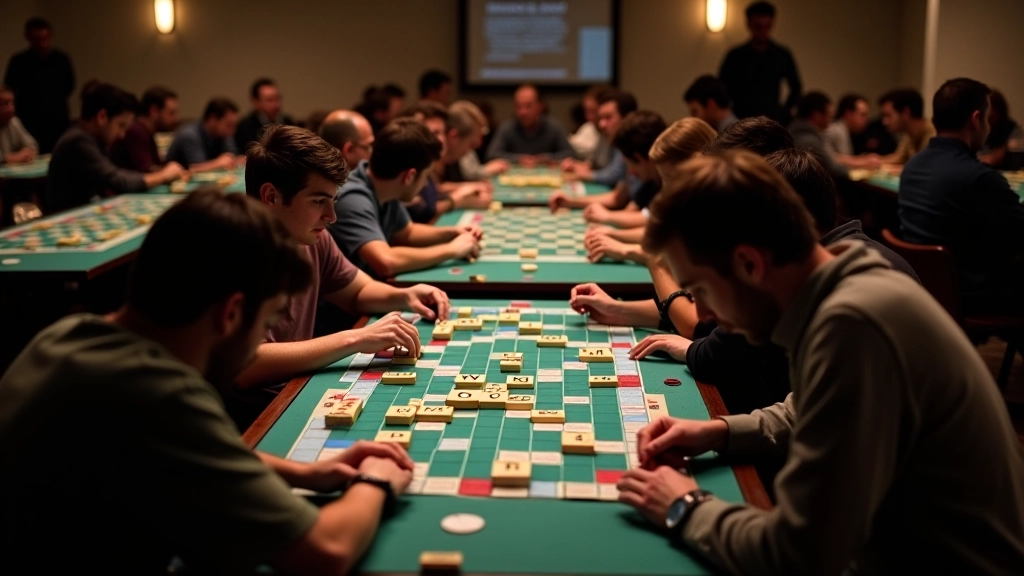

Scoring in tournaments works differently than casual play. You still count your word’s letter values. But tournaments track wins and losses, not just final points. A tournament might run 4-6 games, and you’re ranked by your record.
Some tournaments use a point spread system — your score difference matters, not just wins. Others focus on win-loss records. It depends on the event. Ask before you start so you understand how you’re being ranked.
Here’s what matters: You’re playing for the experience and the competition, not just to rack up high scores. That mindset shift makes tournament play way more enjoyable. You’ll learn more from competitive games than you ever would from casual ones.
Tournament Scrabble isn’t intimidating when you know what to expect. The rules create fairness. The etiquette creates community. And the competition makes the game more engaging than casual play ever could be.
Your first tournament might feel a bit formal. That’s okay. By game two or three, you’ll feel like a regular. You’ll recognize faces, understand the rhythm, and actually enjoy the structured nature of competitive play. Most clubs welcome newcomers genuinely — they remember their first time too.
Contact your local Scrabble club to ask about their next tournament. Most run monthly or quarterly events. Start with one game if you’re nervous — you don’t have to commit to a full tournament. Get a feel for it first. You’ll probably want to come back.
Explore Board Game Clubs
This article provides educational information about Scrabble tournament rules and etiquette based on common tournament standards. Specific rules, word lists, and regulations vary between clubs and organizations. Always confirm the exact rules with your tournament organizer before competing. We’re not affiliated with official Scrabble organizations and this isn’t an official rulebook — it’s a guide to help newcomers understand what to expect.