
Finding the Right Chess Club for Your Level
What to look for when joining a chess club — from casual meetups to tournament-focused groups.
Read ArticleCooperative games change the dynamic of game nights. You’re not competing against each other — you’re solving problems together. Here’s what makes them special for club groups.
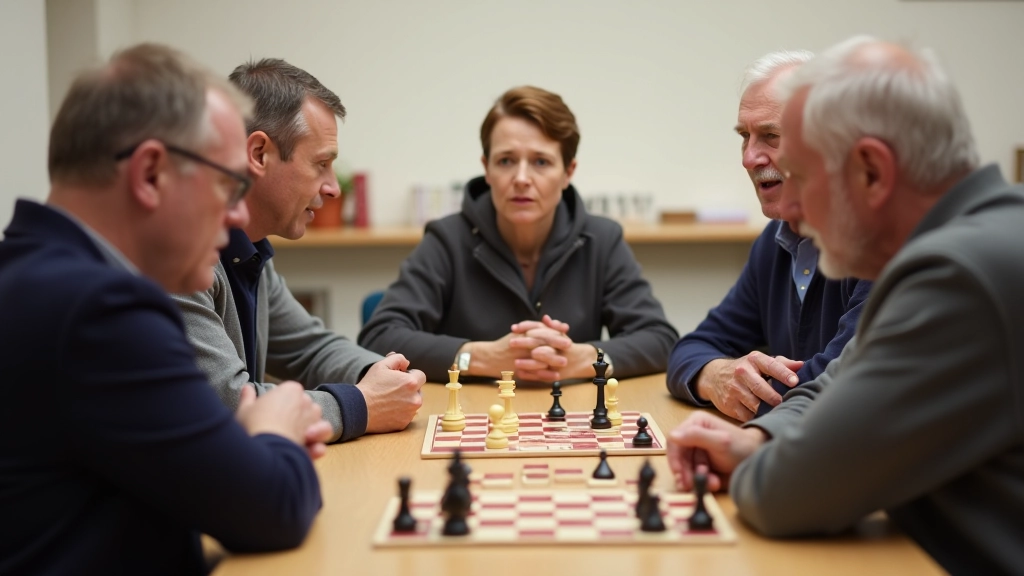
For decades, board games meant competition. Someone wins, someone loses. But there’s a different breed of games gaining serious traction in clubs across Ireland — cooperative games where everyone either wins together or loses together.
It’s not just a gimmick. The dynamic is fundamentally different. When you’re working toward a shared goal instead of trying to beat the person next to you, the conversation changes. The energy shifts. People who might’ve felt intimidated by traditional games suddenly find themselves enjoying the experience. That’s the magic of cooperative play.
This matters especially for club groups. You’ve got people at different skill levels, different temperaments, and different reasons for showing up. A cooperative game can actually bring those differences together instead of highlighting them.
Competitive games come with stakes. You can lose publicly. You can feel the pressure of not wanting to let your team down (in team-based games), or the embarrassment of being knocked out early. That pressure keeps some people on the sidelines.
In cooperative games, there’s no spotlight on individual failure. You’re problem-solving as a group. If the team doesn’t win, that’s the game design, not you being bad. People relax. They actually talk to each other. They laugh at the difficult situation you’re all facing together instead of feeling frustrated.
Clubs notice this immediately. Quieter members speak up. Newcomers feel welcome. The whole vibe becomes more inclusive without anyone having to force it.
When you’re playing competitively, people are focused on winning. Strategy discussions happen, sure, but they’re often guarded — nobody wants to reveal their plans. Cooperative games flip that. You HAVE to discuss strategy openly because you’re literally on the same side.
This creates real dialogue. You learn how other people think. You discover that Sarah has a completely different approach to risk management than you do, or that Michael’s reading of the situation caught something everyone else missed. These moments build genuine connection. That’s community-building in its truest form.
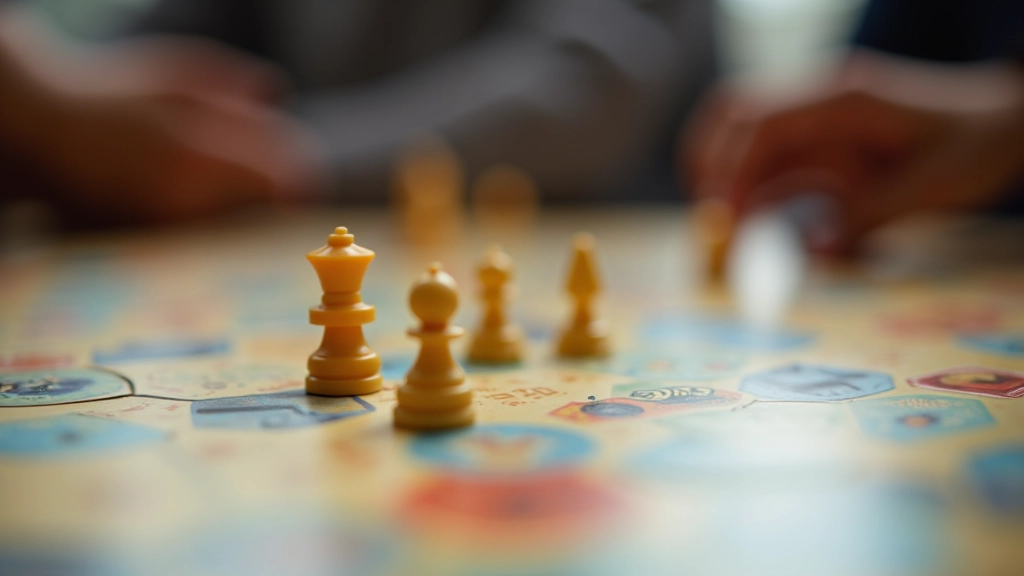
Cooperative games don’t just remove the competitive element — they restructure how the game actually works.
Most cooperative games include a “game master” threat — usually a timer, a deck of escalating challenges, or an opposing force (controlled by the game itself, not a player). Your job is to beat that threat before it beats you. Games like Pandemic work this way: you’re racing against the spread of disease. In Forbidden Island, you’re against a sinking island. In Hanabi (a card game many clubs play), you’re against your own lack of communication.
The brilliance is that this creates genuine pressure without targeting individuals. Everyone’s focused outward on the problem, not inward on each other.
Some games add a twist — a hidden role or a traitor element. But even these work differently than pure competition. There’s still a shared goal underneath. You’re just adding mystery and tension to the cooperation.
The key difference: In competitive games, your loss is someone else’s win. In cooperative games, you all lose together or win together. That changes everything about how people play.
Clubs running regular game nights have noticed something: introducing cooperative games changes the room. Not in a subtle way.
Attendance becomes more consistent. People who showed up sporadically start coming regularly. They bring friends. They ask “what are we playing next week?” The social stickiness is real.
New members feel less intimidated. Chess clubs, Scrabble groups, strategy game meetups — they can all suffer from gatekeeping (intentional or not). Cooperative games sidestep that because there’s no ranking system. You can’t be “bad at” a cooperative game in the way you can at chess. You just happened to face a difficult scenario.
Longer play sessions happen naturally. Competitive games sometimes end abruptly — you’re eliminated or you’ve won. Cooperative games tend to create natural momentum. You finish one scenario and immediately want to try again with what you learned. That keeps people at the table.
The age group for board game clubs (typically 40-60) benefits especially. This demographic often values genuine connection over competitive glory. They’ve got established lives and careers. What they’re looking for is quality time with like-minded people. Cooperative games deliver exactly that.
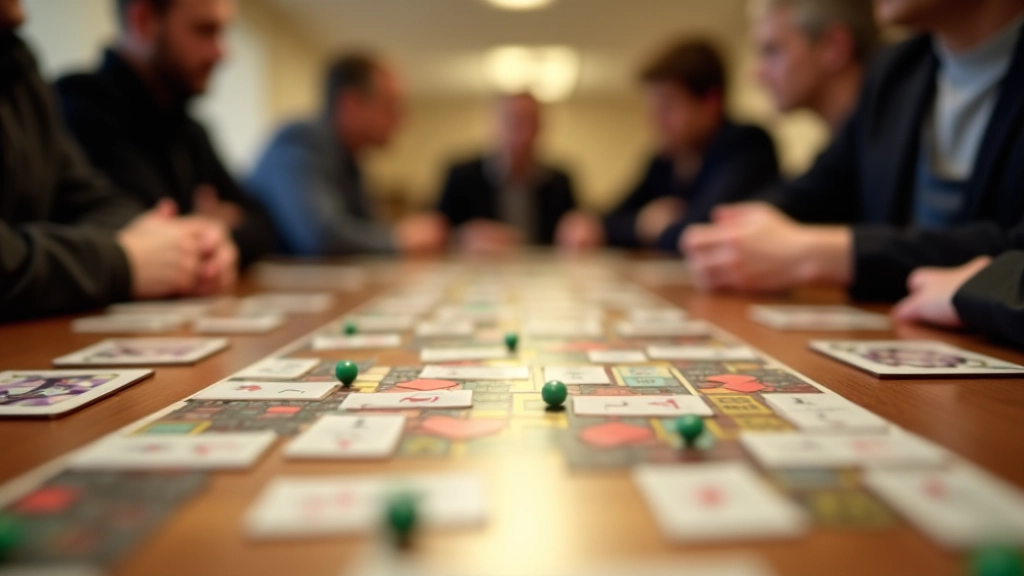
“The biggest change we’ve seen? People actually remember each other’s names. They ask about each other’s weeks. It’s not just showing up to play — it’s showing up to be with people. That didn’t happen as much when we were running tournament-style competitive games.”
— Martin, board game club organizer, Dublin
Here’s what actually works in club settings, from strategy-heavy to lighter social games.
Race against disease outbreaks across the globe. Works well for 2-4 players. Medium complexity. About 45 minutes. Perfect introduction to cooperative gaming.
Escape a sinking island before it vanishes. Simple rules, engaging gameplay. 2-4 players. 30 minutes. Great for mixed skill levels and new players.
Work together with hidden information. Players can’t see their own cards. 2-5 players. 25 minutes. Incredibly clever and creates hilarious moments.
Deep tactical dungeon-crawling campaign. 1-4 players. Plays 60-120 minutes depending on difficulty. More complex but creates ongoing narrative.
Play as spirits defending an island from colonizers. 1-4 players. 90-120 minutes. Highly strategic with beautiful thematic gameplay.
Social deduction games with hidden roles. 5-10 players. 30 minutes. Creates intense discussion and memorable moments. Less “puzzle” more “people-reading.”
Cooperative games aren’t just a different type of entertainment. They’re actually a different approach to gathering.
When you remove competition from the center of the experience, you create space for something else to emerge — genuine human connection. People relax. They collaborate. They build memories together instead of competing for bragging rights.
For board game clubs, chess clubs, Scrabble groups, and any gathering of people who love games, cooperative games offer a way to deepen community. They’re inclusive. They’re engaging. And they’re actually fun in a way that doesn’t require someone to lose.
If your club hasn’t tried cooperative games yet, you’re missing something. Start with Forbidden Island or Hanabi — both are easy to teach and genuinely enjoyable. See what happens when your group stops competing and starts collaborating.
The games themselves are good. But the community you’ll build around them? That’s the real win.

Find board game clubs and cooperative gaming events near you in Ireland. Connect with communities that are already embracing this approach to gaming.
Browse Game Clubs in Ireland
This article is educational and informational in nature. It’s designed to help you understand the benefits and mechanics of cooperative gaming. Individual experiences with games will vary based on group dynamics, player preferences, and specific game rules. We encourage you to research specific games before purchasing and to try them with your club group. Game rules and mechanics are accurate to our knowledge but may change with new editions or expansions.